

A COMPARISON
Welkin vs OpenShift:
Which Application Platform Fits Your Needs?
Run secure, compliant, and reliable applications, without unnecessary complexity. Welkin is the best alternative to OpenShift for teams running regulated, sensitive, or mission-critical software. It removes risky platform choices and includes security, availability, and recovery as standard, so teams don’t have to assemble or harden the platform themselves.
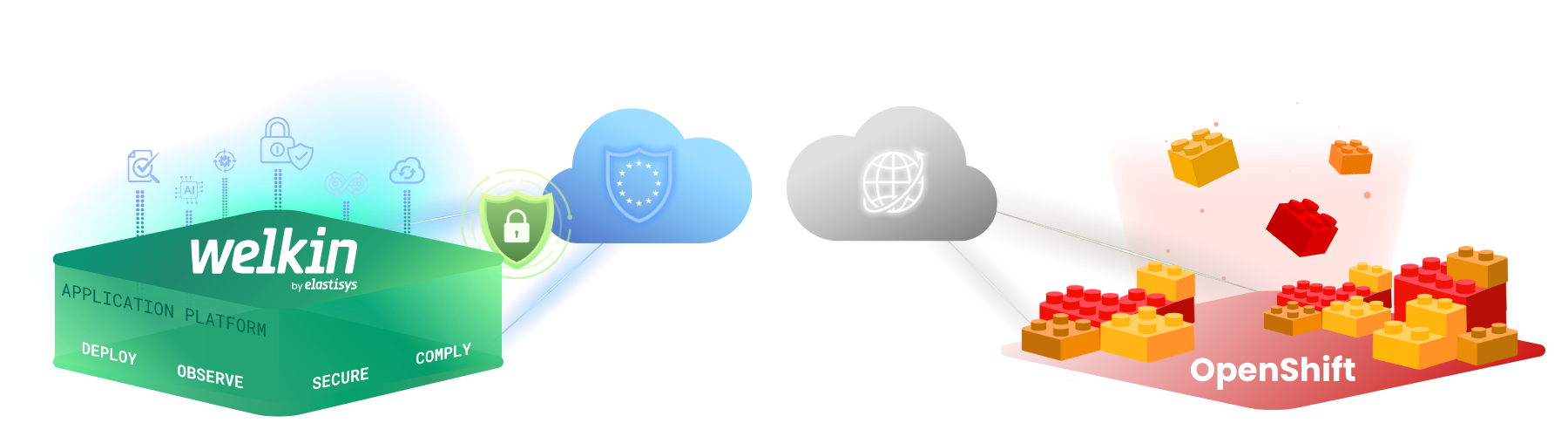
Welkin is the finished product
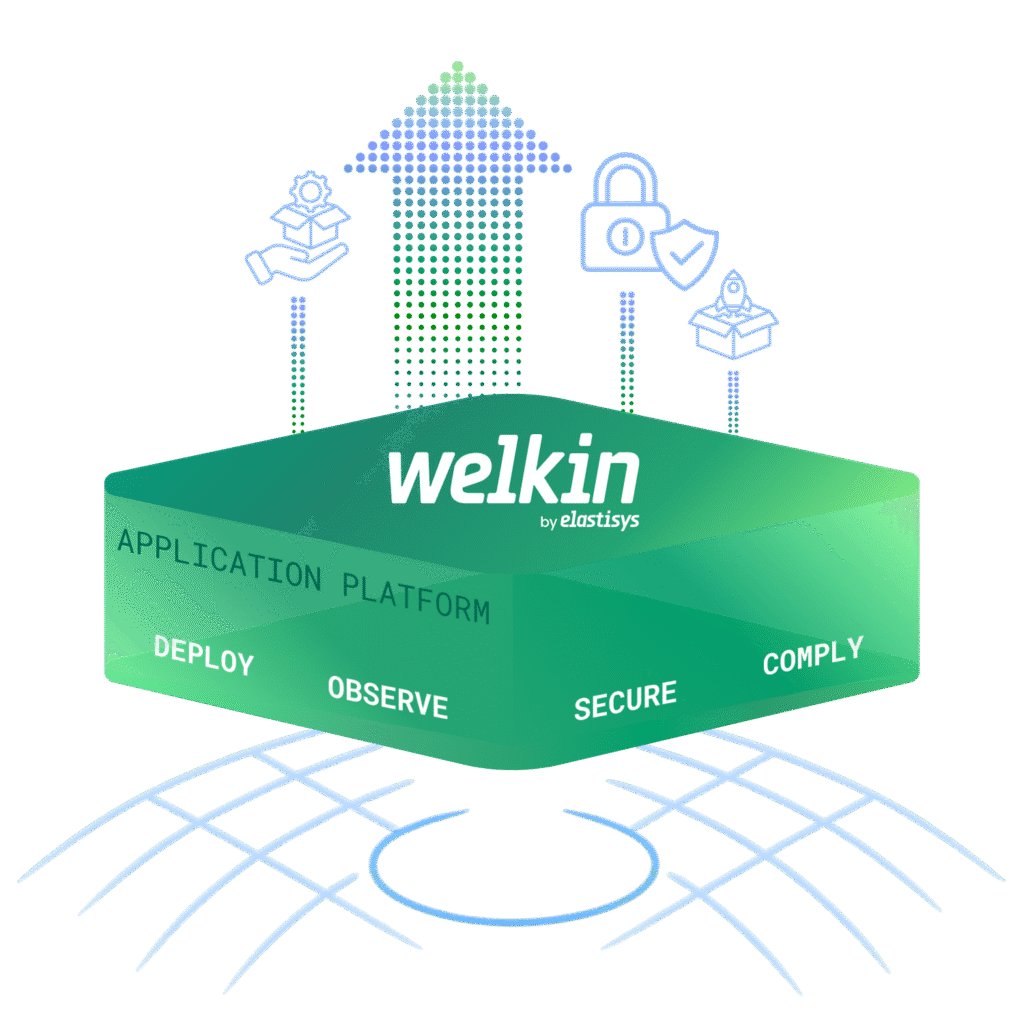
Designed, assembled, and quality-assured by experts. Certified safe. Batteries included, and built in.
OpenShift is like LEGO
You get standardized pieces that fit together, but you still have to build, reinforce, and quality-assure the result yourself.
Why Choose Welkin Over OpenShift?
Security is Built in
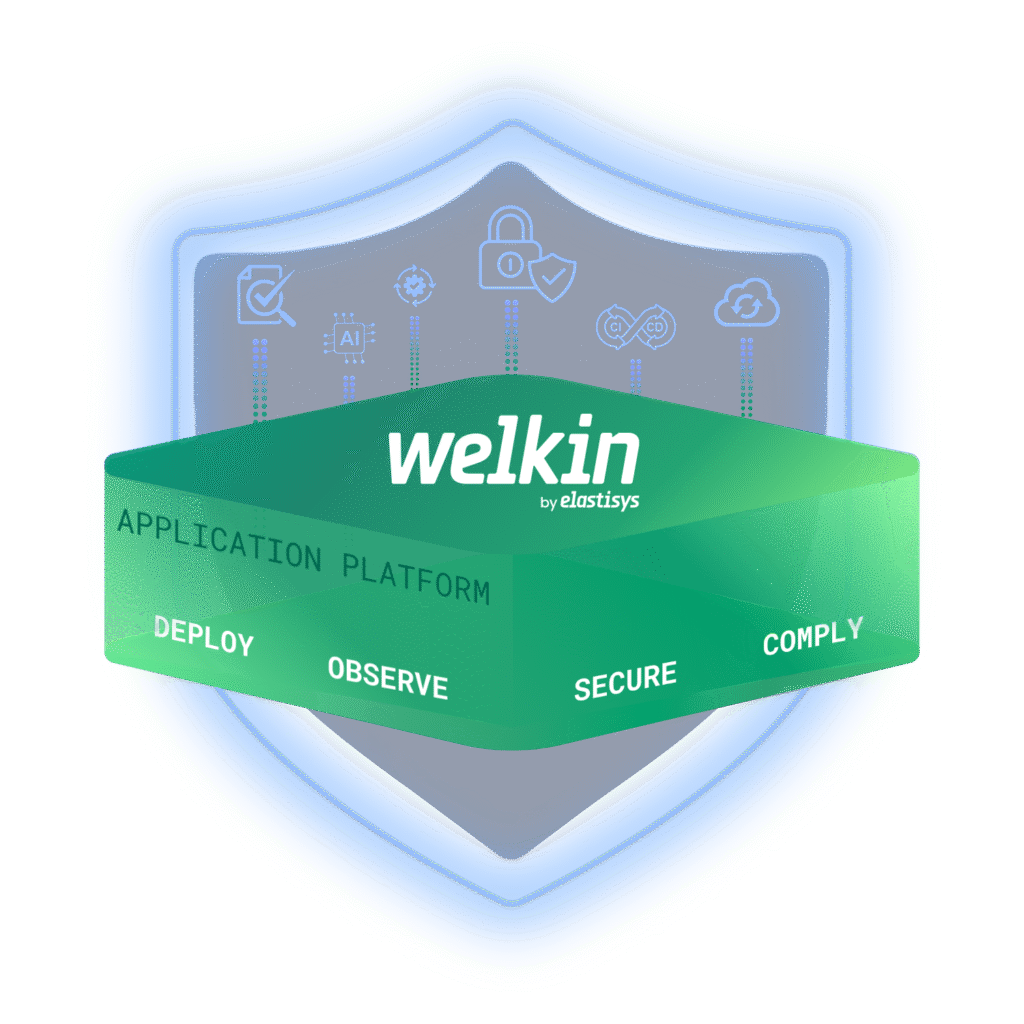
Welkin includes security and compliance controls that are always enabled. They don’t rely on optional settings or manual hardening.
Designed for Critical Workloads
Welkin is built for software where downtime, data loss, or misconfiguration is not acceptable.
High Availability Comes Standard
All critical platform components are deployed with redundancy by default, not as an optional setting.
Clear Roles, Lower Risk
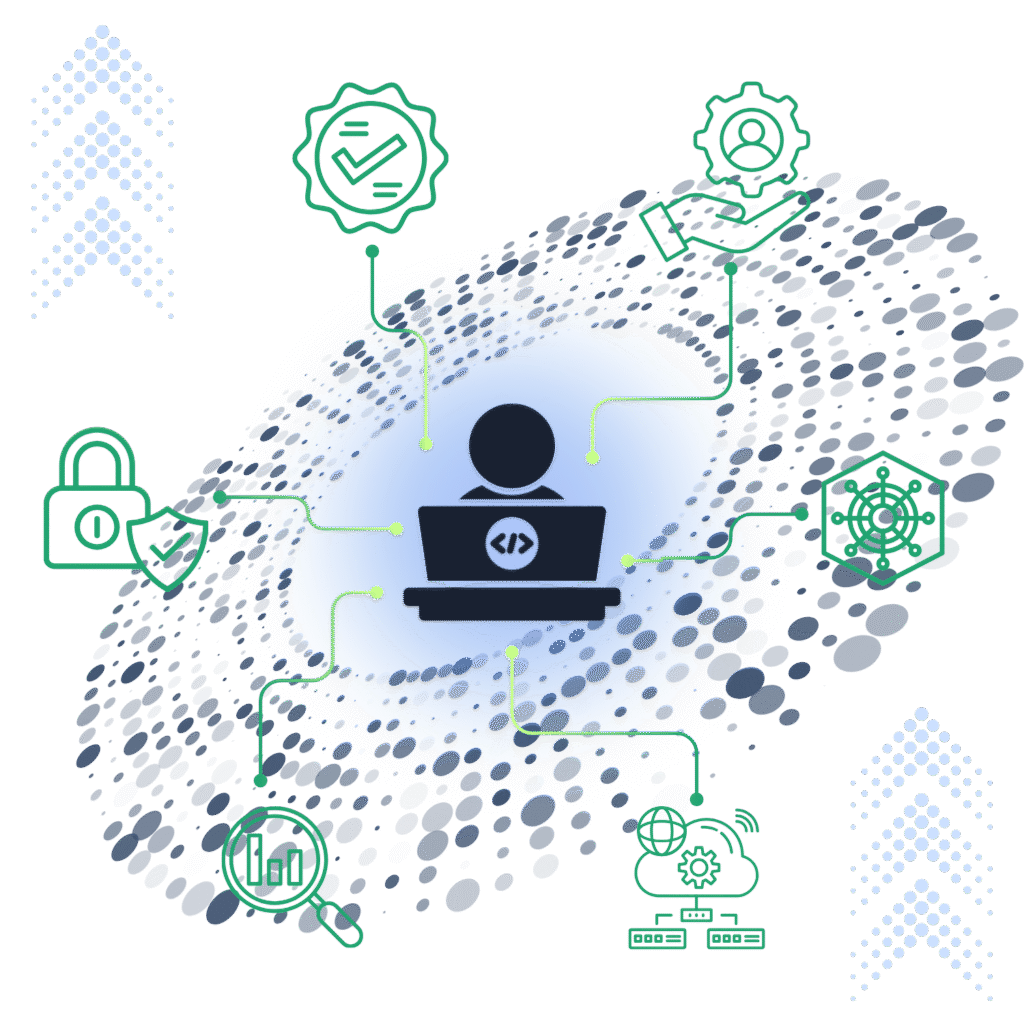
Welkin clearly separates platform administration from application development, reducing the risk of mistakes or misuse.
Everything Included
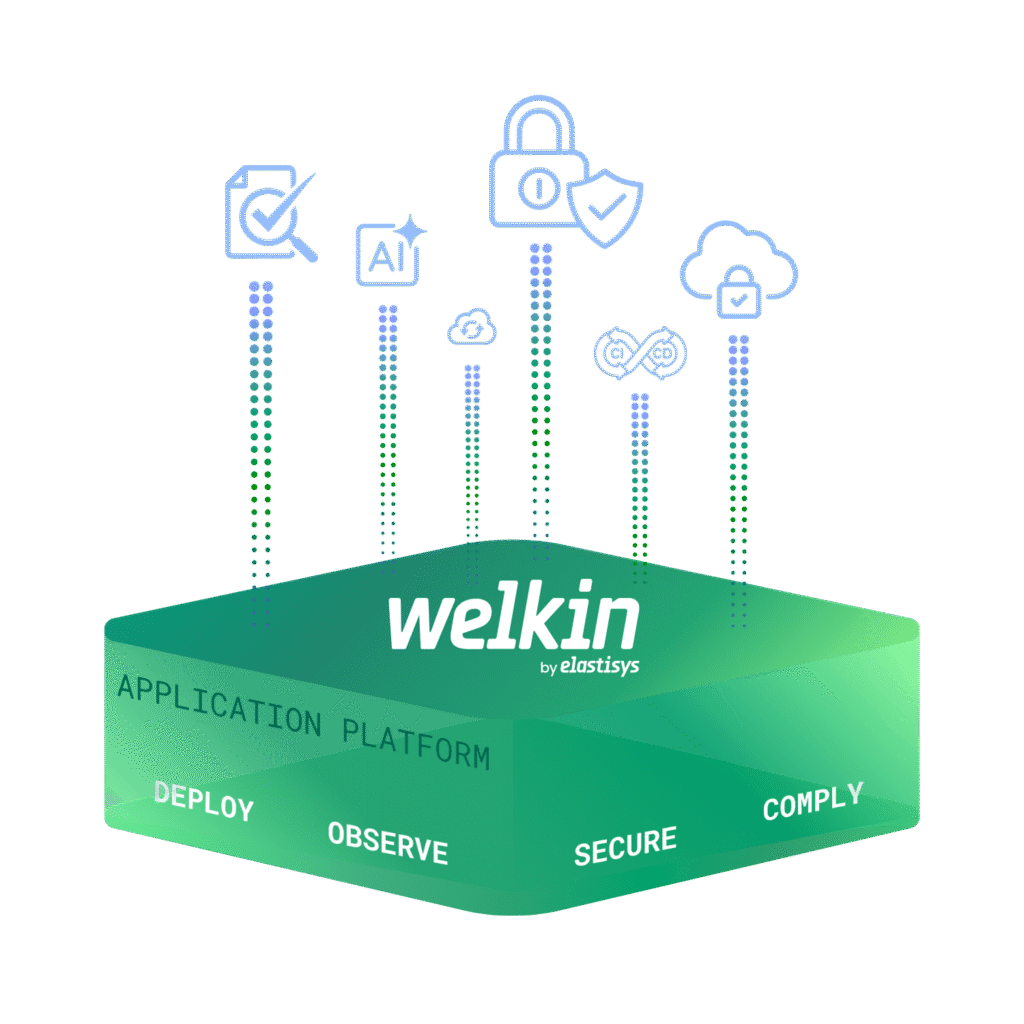
Monitoring, logging, intrusion detection, backups, and databases are part of the platform, not add-ons.
Fully Managed if You Want it
With Welkin Managed, Elastisys operates the entire platform for you.
Welkin vs OpenShift:
Compare Design, Key Capabilities, and Features
| CAPABILITY | WELKIN | OPENSHIFT | WHAT WELKIN MEANS FOR YOU |
|---|---|---|---|
| Security setup | Built in and always on | Must be configured | Less risk of misconfiguration |
| High availability | Standard for critical parts | Optional | No trade-off between cost and safety |
| Platform scope | Full application platform included | Core only | Less integration work and risk |
| Role separation | Strict admin / developer divide | Developers can get admin rights | Stronger integrity and auditability |
| Logging & audit | Tamper-proof by design | Must be assembled | Attacks cannot erase their tracks |
| Backup & recovery | Works across infrastructures | Not included | True cloud-agnostic disaster recovery |
| Operational model | One consistent platform | Many variants | Easier hiring and training |
| Managed Service | Entire platform managed | Only core managed | No responsibility gaps |
Security Can’t be Turned Off
Some platforms depend on configuration and ongoing effort to enforce security. With OpenShift, meeting strict security and compliance requirements relies on careful setup and continuous maintenance.
In Welkin, security controls are built in by default and cannot be disabled. Security is inherent to the platform, eliminating configuration errors and reducing operational risk.

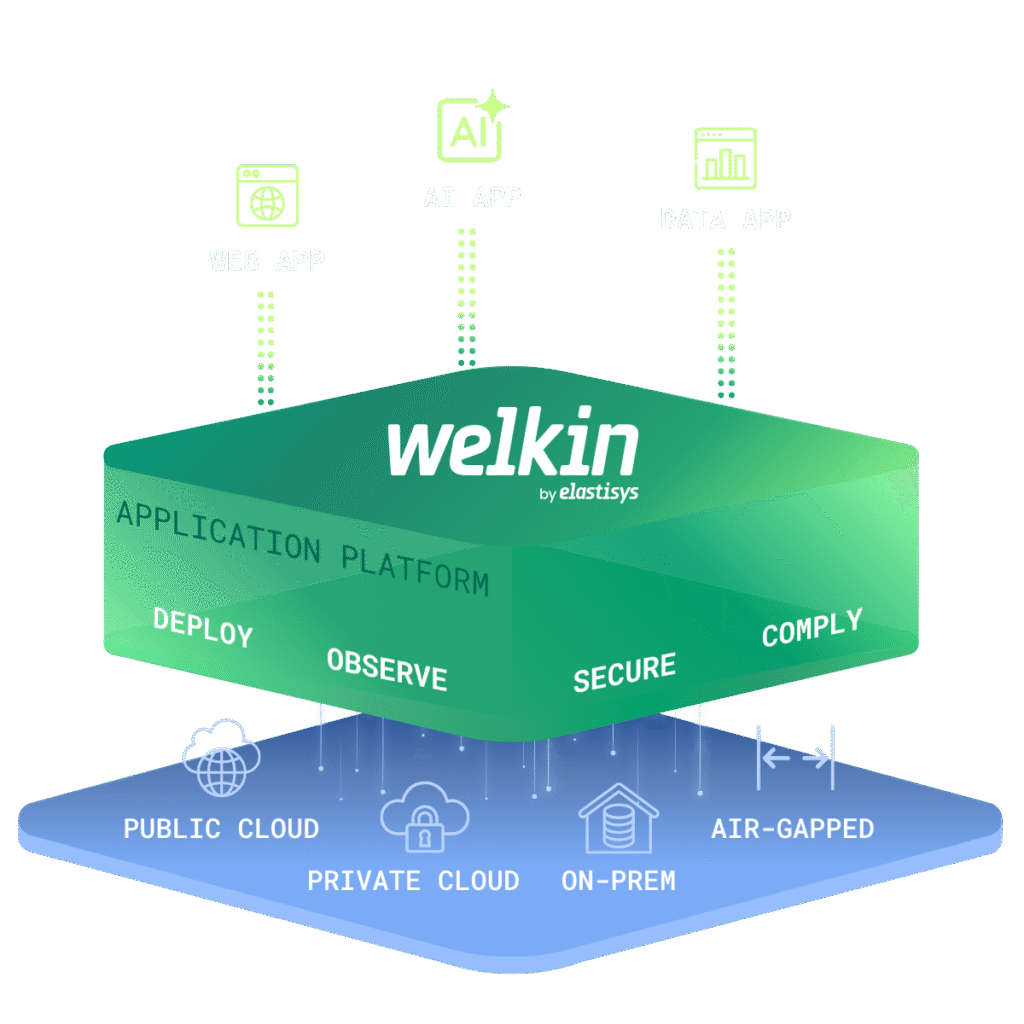
A Complete Platform, Not a Minimal Core
OpenShift provides a minimal core, requiring teams to add and integrate many production components from a large set of add-ons.
Welkin delivers a complete, integrated platform with built-in observability, security, databases, and recovery. Designed to work seamlessly across cloud, on-prem, and air-gapped environments, and with zero guesswork by your own team.
Built for Software That Must Not Fail
As software becomes more critical, failures grow more costly and disruptive. While OpenShift is a strong general-purpose platform, meeting the strictest requirements demands significant expertise and ongoing effort.
Welkin is purpose-built for regulated, sensitive, and mission-critical workloads, designed from the ground up to prevent failure rather than adapt to it.
High Availability Is the Default
In OpenShift, high availability requires careful design and ongoing effort. Teams must balance redundancy, cost, and complexity.
In Welkin, all security-critical components run in high availability by default as well as components that intelligently self-heal, delivering resilience without manual trade-offs.
Clear Separation Between Platform and Applications
In OpenShift, developers can have cluster admin access, increasing the risk that mistakes or breaches impact the entire platform.
Welkin strictly separates platform and application access, running core services in a protected management cluster to contain errors and security incidents.


Logs That Cannot Be Altered
In many platforms, privileged users can change or delete logs, allowing attackers to hide their actions.
In Welkin, logging runs in a protected management cluster, preventing developers or compromised apps from altering logs and preserving trustworthy audit trails.
One Platform With Consistent Behavior
OpenShift varies widely across its different versions, leading to inconsistent experiences and operations.
Welkin delivers a single, consistent platform everywhere, simplifying training, hiring, and long-term operations.
Tested and Released as a Whole System
OpenShift is built from separately tested and upgraded components, which means that teams have to spend resources on integration and maintenance themselves with these components.
Welkin is delivered and tested as a complete system, ensuring consistent, reliable behavior in production.
Standard Tools and Broader Talent Pool
OpenShift relies on specialized tools and concepts, increasing lock-in and limiting the talent pool.
Welkin uses upstream Kubernetes and depends on standard cloud-native open source components, making hiring, onboarding, and long-term operations simpler and lower risk.

Disaster Recovery Designed From the Start
OpenShift requires teams to design and maintain their own backup and recovery.
Welkin includes built-in, cross-infrastructure backup and restore, enabling true multi-cloud disaster recovery by design.
Sovereignty Without Ambiguity
OpenShift is developed outside the EU and tied to non-EU legal systems, which can create uncertainty around jurisdiction, authority, and data governance, especially when consumed as a managed service.
Welkin is developed in Sweden and governed solely by EU and Swedish law, providing clear legal sovereignty, simpler compliance, and reduced legal and political risk.
Managed Service Differences
To make the fairest possible comparison, this section looks at Azure Red Hat OpenShift and Managed Elastisys Welkin on Azure, based on the respective documentation sites and terms of services (Azure Red Hat OpenShift responsibility matrix and Managed Elastisys Welkin on Azure Terms of Service). We will refer to Azure Red Hat OpenShift as “ARO” and Managed Elastisys Welkin on Azure as “Welkin”.
What is Managed
With ARO, only the OpenShift core is managed. This includes Kubernetes and a small set of supporting services. Monitoring, logging, security tooling, and recovery systems are not included and must be added and operated separately.
With Welkin Managed, Elastisys manages the entire platform. All platform components are included, operated, and maintained as one system.
Responsibility & Effort
To build a full platform on top of ARO, organizations must combine several additional services and still keep an internal platform team to manage the gaps between them.
With Welkin Managed, there are no gaps. Elastisys is responsible for the full platform, and no in-house platform team is required.
Cost, Risk & Recovery
Because ARO requires additional services and internal expertise, it leads to higher long-term cost and operational risk.
Welkin Managed reduces both by removing the need for in-house platform operations. It also supports disaster recovery across cloud providers, which ARO does not.
FAQ
Let’s Talk!
If you’re evaluating OpenShift alternatives, especially for secure, regulated, or mission-critical workloads, we’d love to help you explore Welkin.